Planting natives is essential to ensuring the survival of the many native species in the area that we inhabit. A plant is considered native if it has occurred naturally in a particular region, ecosystem, or habitat without human introduction. Unfortunately, we have destroyed a lot of the native ecosystems with the increase of suburban sprawl and constant development. But we can help combat this unfortunate occurrence by deciding to incorporate Native plants into our gardens.
When we decide to plant Natives we provide a haven for pollinators, native bird species, and mammals in our region. Native plants and native species have reached an intricate balance, the native plants provide native species with the abundance of nectar, seed, berries, and habitat that allows them to thrive. Pollinators; including hummingbirds, native bees, butterflies, moths, and bats are all dependent on very specific native plant species. Native planting are indirectly responsible for providing the insect food that most baby song birds require. It is important to realize the reliance that native species have on these plant species and without the plant species, many species of natives suffer.
Invasion of Foreign plant species:
Foreign plants introduced into a new environment can take over, becoming an invasive plant that damages the existing ecosystem. If a non-native plant doesn’t have natural enemies in the new location, it can overtake the existing plants and become difficult to control. In some cases, wildlife may lose its habitat when the invasive, non-native plants kill out the existing plants. By sticking with native plants, you preserve the existing ecosystems and diversity of plant life in your area.
Planting Natives will save you on labor and cost, you’ll get to enjoy the beauty without so much work. Foreign plants require extra time and money amending the soil and controlling the environment to get them to grow.
Native plants are better suited for the environment, which means they thrive in the soil type, climate type, and are more resistant to local insects. This requires less maintenance than non-native plants, once they are established: there is less need for fertilizing, watering, and pest control. They often survive on the natural rainfall in the area and resistance to local insects means you won’t need to spray so much toxic chemicals into the environment.
Planting Natives prevents natural disaster destruction:
Native plants that grow well in the environment often have strong root systems that keep the soil from eroding and washing into local waterways. Native plants also assist in managing rain water runoff and flooding. Native plants maintain healthy soil as their root systems are deep and keep soil from being compacted. Native plants can even slow down fires because they stay green and lush longer, instead of shriveling and drying up.
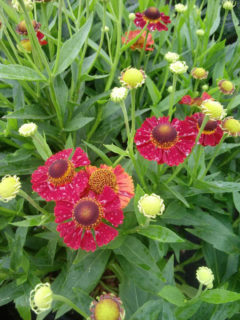
Natives we tend to carry:
- Aesculus parviflora
- Aquilegia canadensis
- Aronia melanocarpa
- Ascelepias
- Baptisia
- Cephalanthus occidentalis
- Clethra alnifolia
- Cornus sericea
- Eupatorium hyssopifolium
- Fern — Christmas, Cinnamon, Interrupted, Maidenhair, Ostrich, and Royal
- Hamamelis virginiana
- Helenium autumnale
- Ilex verticillata
- Iris — cristata, robusta
- Liatris spicata
- Lindera benzoin
- Lobelia cardinalis
- Lonicera sempervirens
- Monarda didyma
- Myrica pensylvanica
- Phlox subulata
- Rhus aromatica
- Schizachyrium scoparium
- Vaccinum corymbosom